Start at the entrance
The front door should feel like the destination. Use clean sight lines, visible numbering, a suitable light fixture and one or two seasonal elements. If the entry is small, concentrate decoration vertically rather than crowding the path.
Coordinate permanent materials
Brick, siding, stone, roofing, railings and paving already create a palette. Exterior decoration looks more convincing when added colours and finishes relate to those materials. Paint samples should always be tested outdoors because daylight changes them dramatically.
For a quick curb-appeal check, stand across the street and look at the house as a single shape. Anything that blocks the entry, interrupts symmetry or creates visual noise becomes obvious from that distance.
Use planting as architecture
Shrubs, grasses and planters can frame doors, soften hard edges and create layers without adding decorative clutter. Repeating a plant or planter style helps the whole frontage feel connected.
Think about the evening view
Exterior lighting should guide movement, reveal the entrance and add depth. Avoid making every surface equally bright. A few deliberate pools of light usually create a more welcoming effect.
Seasonal changes can then be smaller: a wreath, branches, flowering containers or a new door mat can shift the mood without rebuilding the whole entrance.
Outdoor decoration has to survive sun, rain, wind and temperature changes. Choose finishes that suit the exposure and avoid delicate accessories in areas where they will require constant upkeep. Heavy planters, sheltered textiles and exterior-rated lighting often provide better long-term value.
Decorate for weather and maintenance
Prioritize permanent improvements first. Paint, lighting placement and large planters have more visual influence than small seasonal ornaments, and they create a stronger base for later changes.
Stand across the street and look at the property as a single picture. The front door, path, planting, house numbers and exterior lighting should feel related even when they were added at different times. Repeating one material or finish can connect the pieces without making everything match exactly.
Plan curb appeal as one composition
Ideas gallery
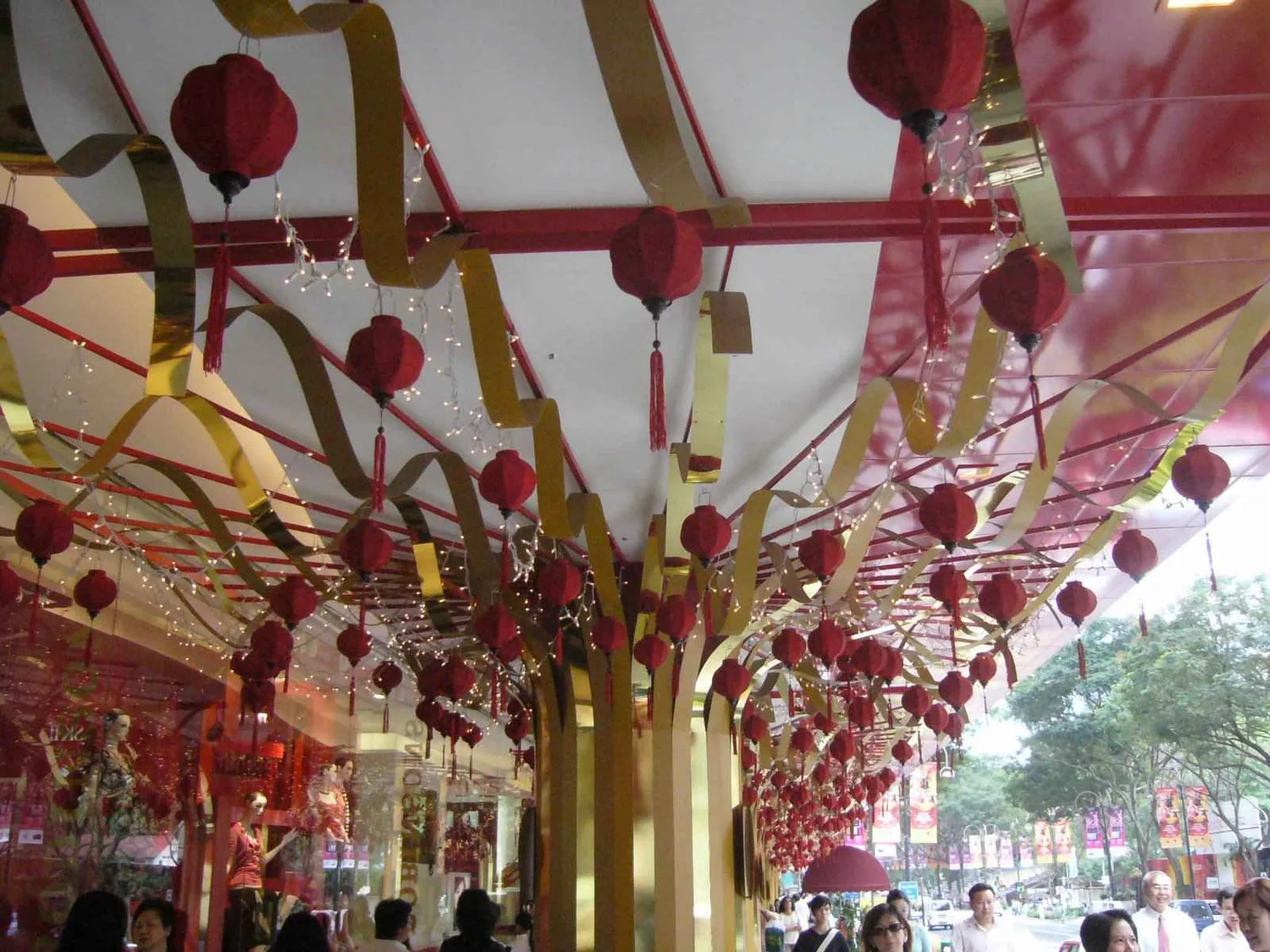
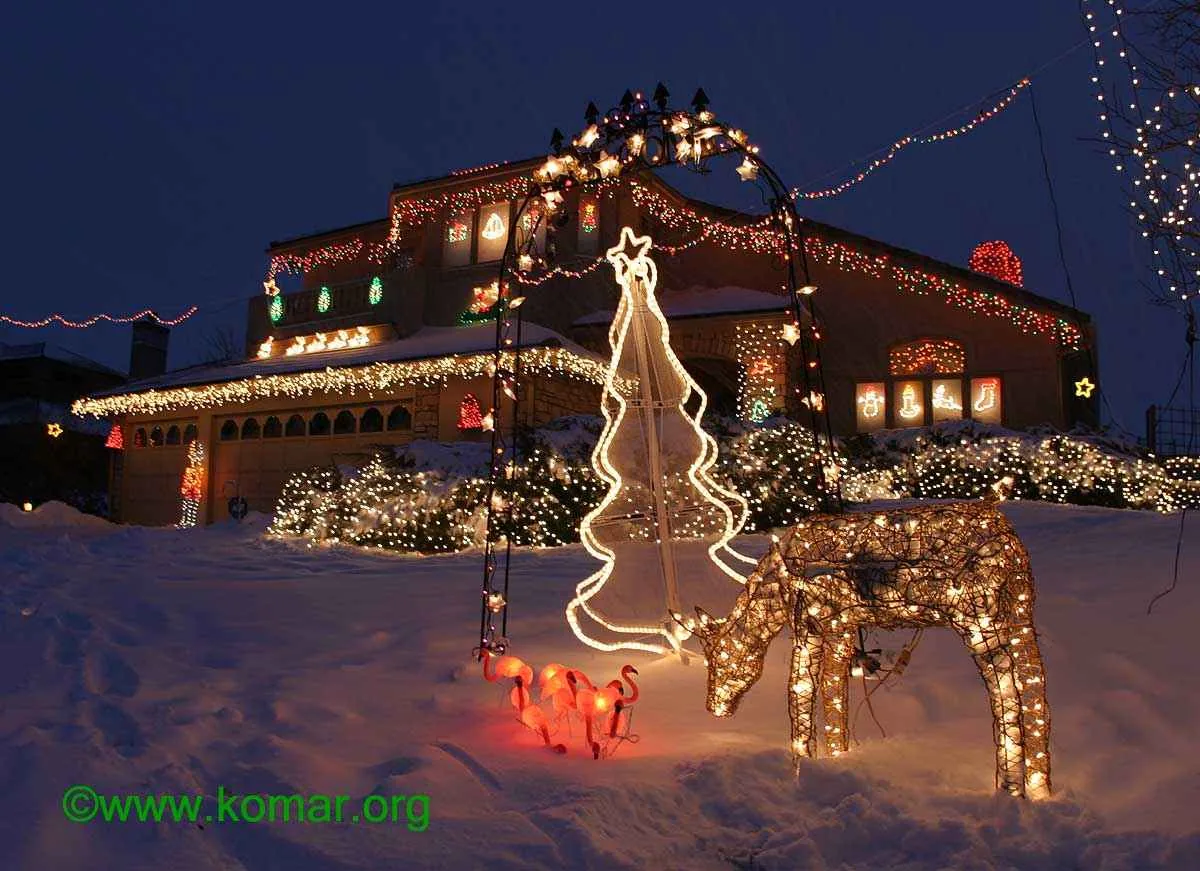
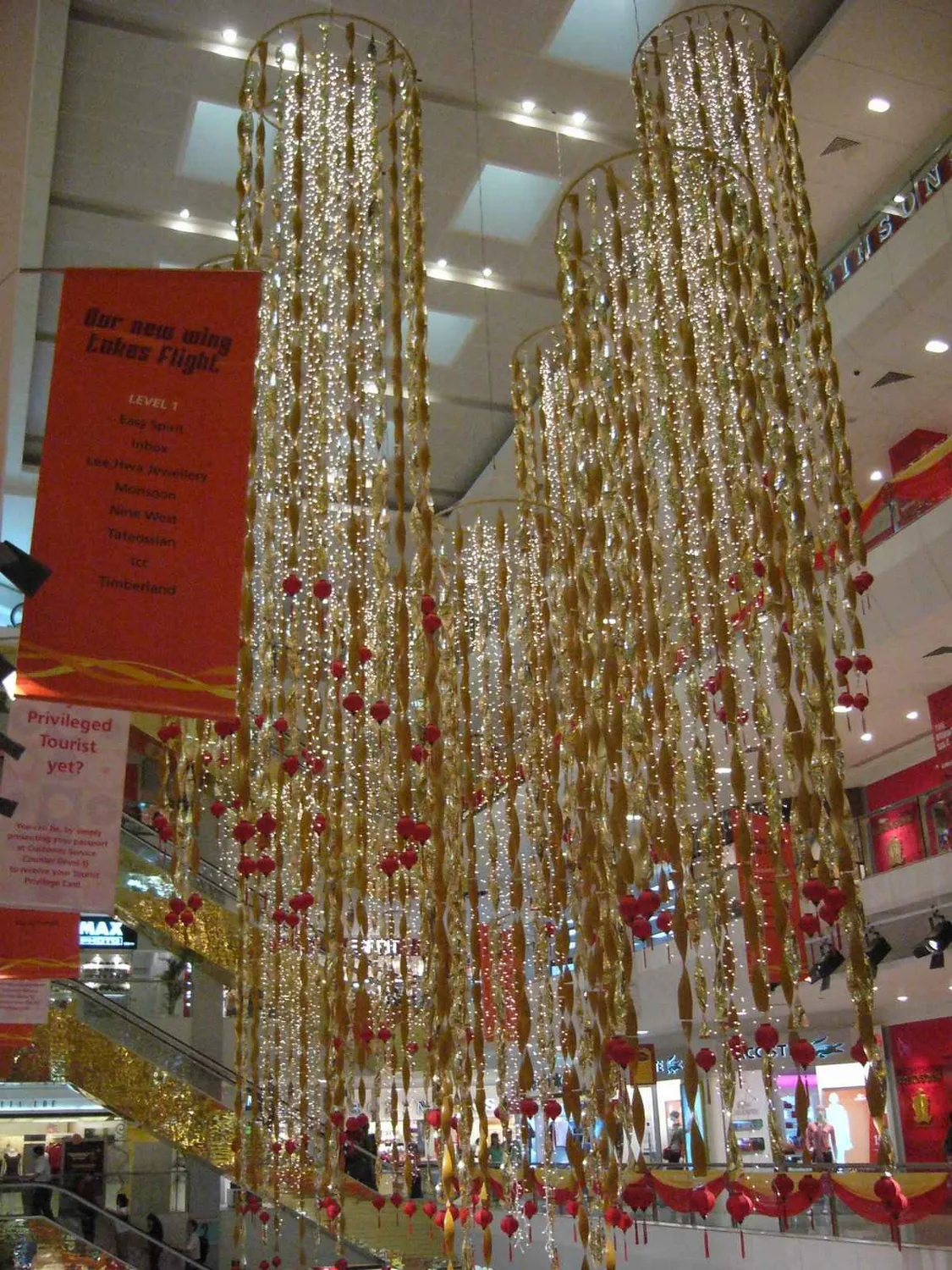
Use these images as starting points for proportion, placement, colour and composition rather than instructions to copy every detail.