Choose the celebration zone
Decide where the main moment happens. A living room, dining table, kitchen island or outdoor patio can become the visual centre. Decorate that area more strongly and keep connecting spaces simpler.
Use reflective details selectively
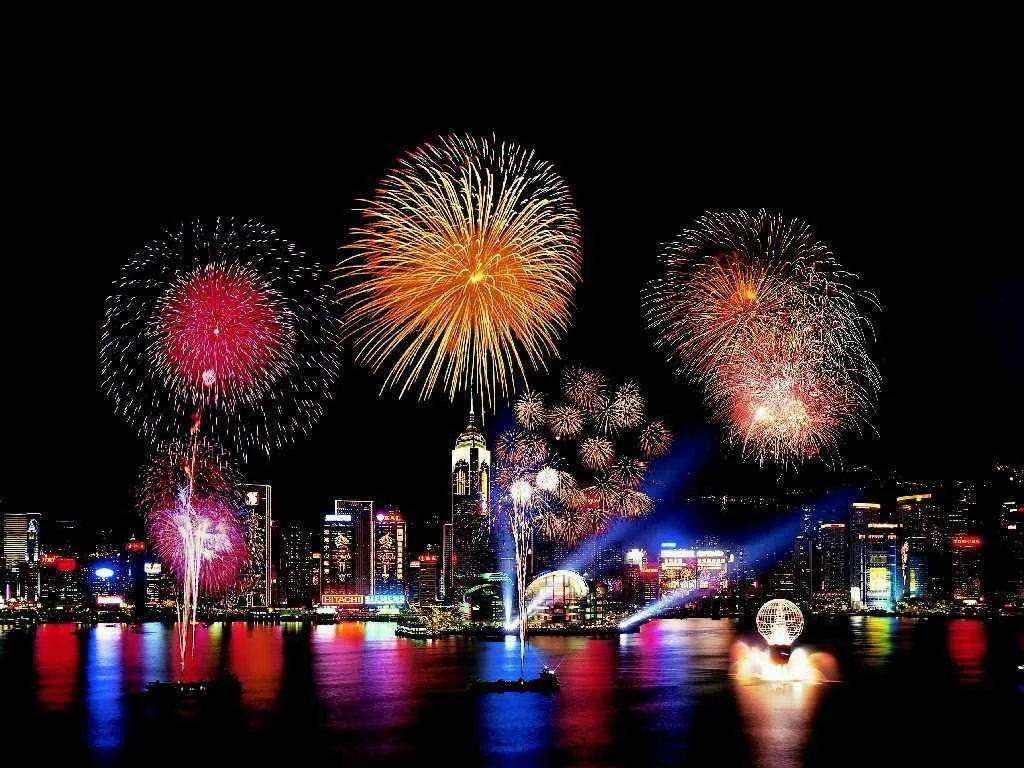
Metallic paper, glass, mirrored pieces and string lights suit New Year because they respond well to low evening light. One metallic tone repeated in a few places usually looks more polished than mixing many finishes.
New Year decoration looks better after dark, so evaluate your setup with the room lights dimmed. Adjust lamps and string lights before adding more objects.
Build the table around service
If food and drinks are self-serve, leave enough working surface. Use trays and risers to create height, then keep decorations out of the areas guests need to reach.
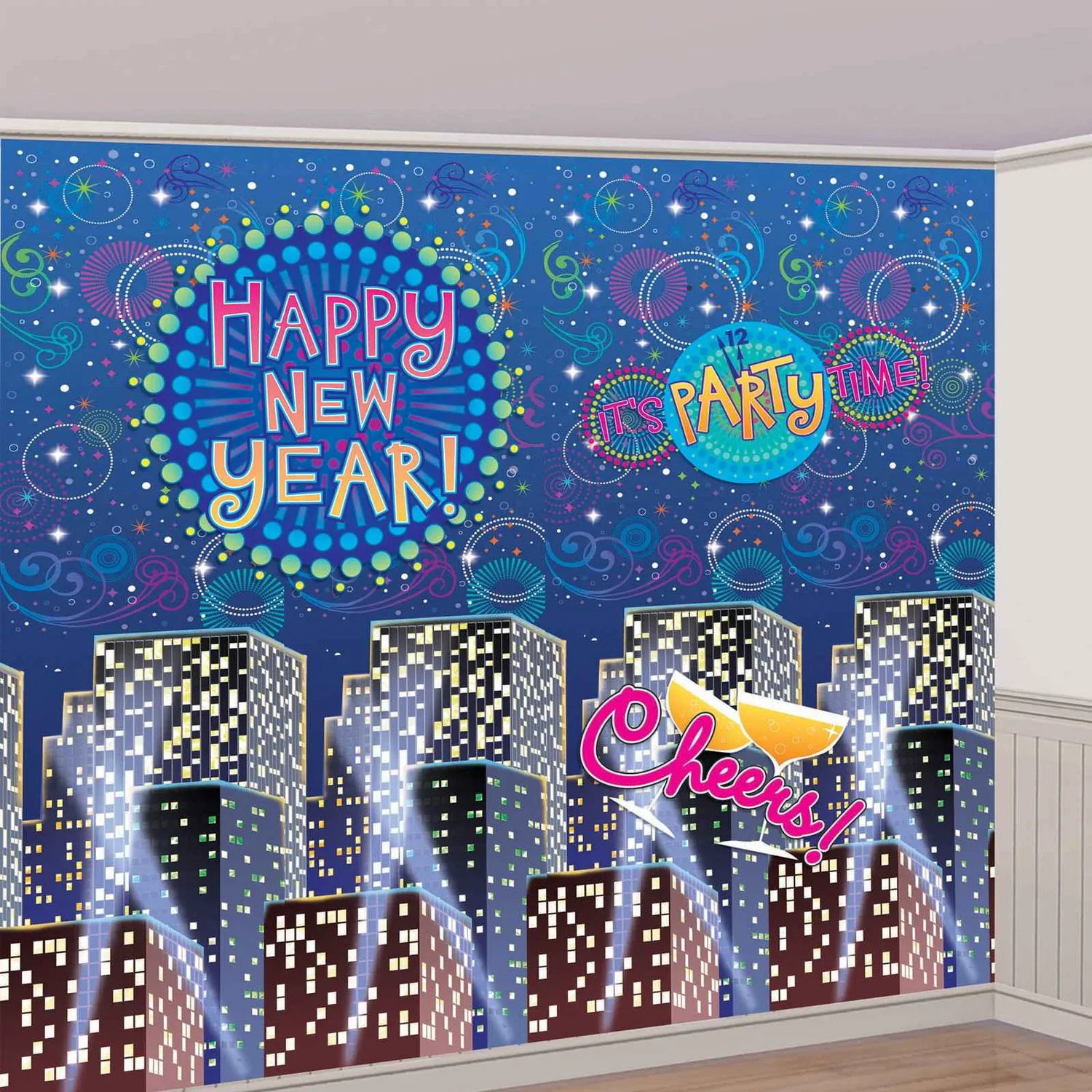
Create a photo-friendly backdrop
A simple curtain, lights, balloons or oversized numbers can define a photo area without decorating every wall. Test it with a phone camera before the party starts.
If photos matter, test the main backdrop before guests arrive. Check where people will stand, whether the lighting flatters faces and whether furniture needs to move to create enough distance for group pictures.
Lighting can shift as the evening progresses. Begin with comfortable ambient light for conversation and dining, then lower the room slightly as midnight approaches so candles, decorative lights and reflective elements become more noticeable.
Prepare the room for the transition to midnight
Keep circulation routes simpler. Coats, drinks, food and late-night movement all need space, so decoration should frame the party rather than narrowing it.
A New Year gathering does not require every room to sparkle. Choose the place where guests will count down, take photos or gather for drinks and give that area the strongest visual treatment. Metallic surfaces, glass, candles and reflected light can create energy without large amounts of disposable décor.
Plan one high-impact celebration zone
Ideas gallery
Use these images as starting points for proportion, placement, colour and composition rather than instructions to copy every detail.